
Before the Plate Goes Out, Look at the Details
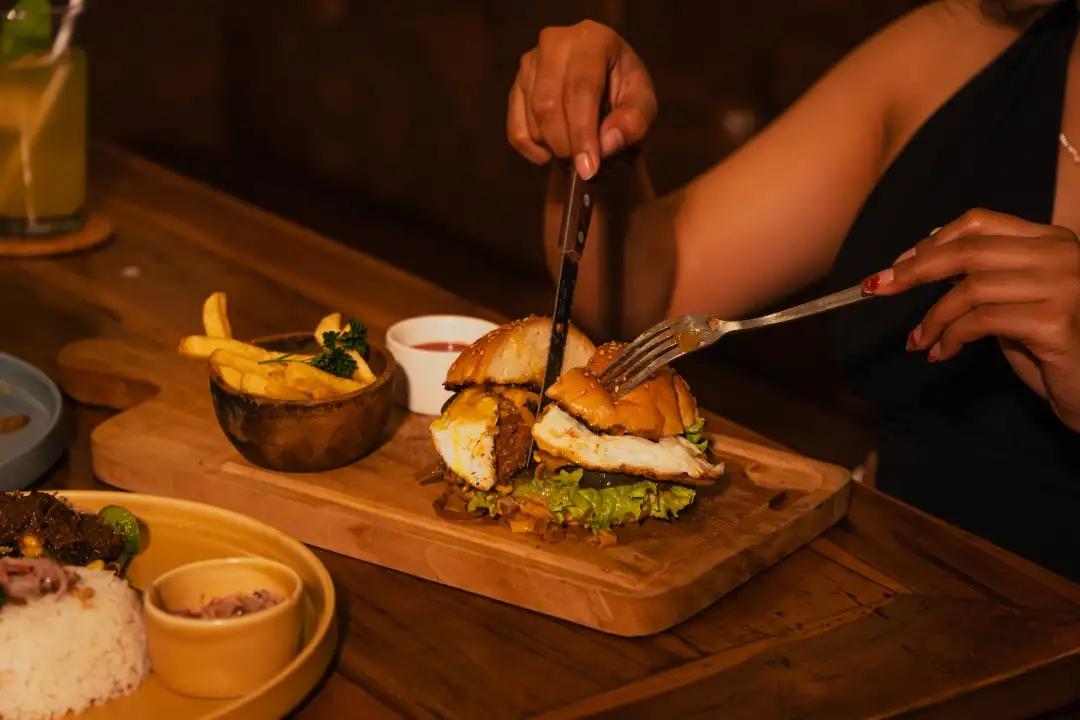
A restaurant dish can look very different once you start paying attention to what happens just before it reaches the table. The main ingredients may already be familiar, but the final details can change how the entire plate looks on camera. A sauce placed in the right position, a garnish added at the last moment, or the way a burger is arranged can make a simple food shot feel much more intentional.
At Vayana Ubud Grill & Bar, this kind of detail works particularly well for Vayana food content, especially when the goal is to create restaurant Reels that feel appetising without relying on overly complicated production. Vayana's own visual direction encourages close attention to texture, sauce, glaze, cut, crisp, cheese, and plating rather than generic food descriptions.
Looking closely before the plate goes out also gives content creators more visual moments to capture. Instead of showing only the finished dish from one angle, the preparation can reveal small details that make the final presentation more interesting.
The Final Details Often Change the Whole Plate
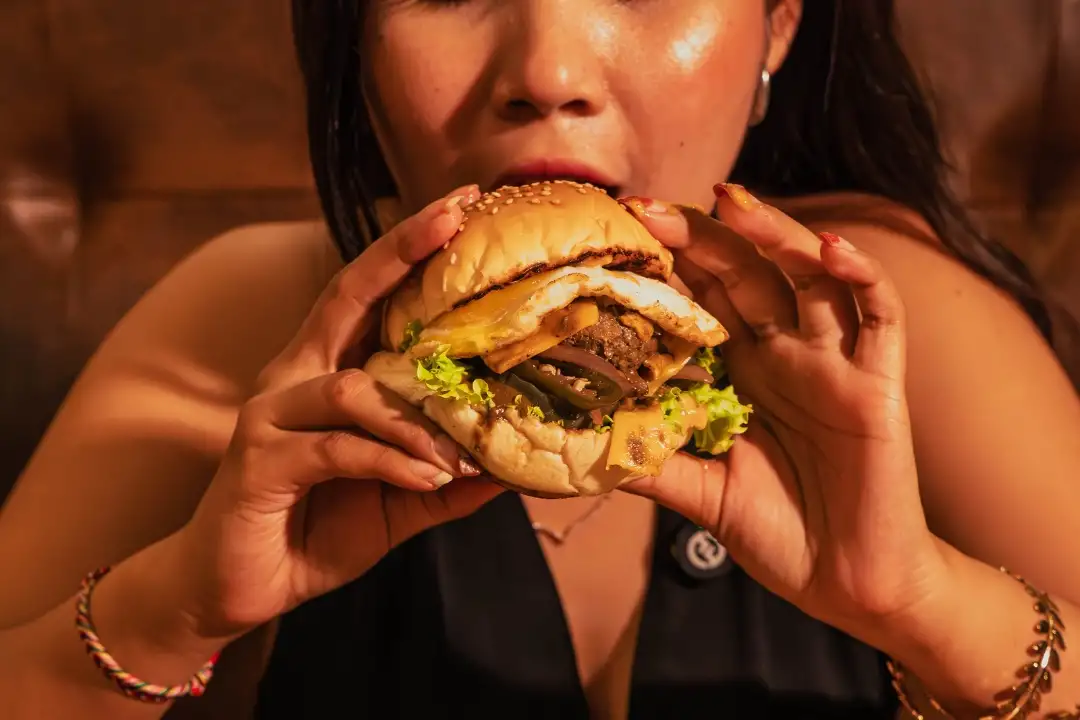
The main ingredient will naturally attract the most attention. A grilled cut, a layered burger, or a colourful beverage already gives the camera something to focus on. But the final presentation determines how all those elements come together. This is where plating detail becomes important.
The sauce needs to sit naturally with the main ingredient. The garnish should support the dish rather than cover it. Textures need to remain visible. A burger should show its filling instead of looking compressed. A grilled dish should reveal enough of the cut to make the food look appetising.
These details may only take a moment during the final preparation, but they can have a significant effect once the dish becomes a photograph or Reel. For Vayana, this approach fits the brand's premium-casual positioning. The restaurant is not meant to look overly formal like fine dining, but it should also avoid looking like a generic restaurant. The food needs to communicate character through real menu details and refined visual presentation.
Sauce Detail Gives the Plate Another Point of Focus
Sauce is one of the easiest details to overlook when looking at a complete dish. Once you move closer, however, it can become one of the strongest visual elements. A sauce can create contrast against a grilled surface, sit between layers of a burger, or add another colour to an otherwise simple plate. It also gives food content an opportunity to focus on something smaller instead of always showing the entire dish.
Vayana's menu has several examples where sauce plays an important role. Pork Ribs are served with special Vayana sauce and gravy spicy, while Iga Rempah comes with spicy chili sauce. The Premium Burger Selection also uses different sauces to give each burger its own profile.
For content, the sauce can therefore become a detail worth capturing before the full plate is shown. A close-up of the sauce meeting the grilled cut can create one shot. A wider shot can then reveal the complete plate. This simple change in framing can make the Reel feel more dynamic without changing the actual dish.
Texture Is Easier to Appreciate Up Close
Texture is another reason to look closely before the food reaches the customer. A grilled surface can have visible seasoning and edges. A crispy chicken burger can show the texture of its coating. Pickles can create contrast between softer fillings. Melted cheese can become a visual layer inside a burger.
Vayana's copywriting direction specifically encourages visual food details such as glazed surface, smoky edges, deep seasoning, sauce character, bold texture, crisp bite, layered flavour, and rich cut. That means a food Reel does not always need to explain the dish through a long description. Sometimes the texture itself can communicate why the menu is worth ordering.
For example, the Hawaiian Crunchy Burger has 200 grams of crispy chicken together with coleslaw, green pickle, onion pickle, Red Hawaiian spicy sauce, and fries. A close-up can reveal the crispy chicken and the layers around it before the complete burger is shown. The visual tells part of the story before the customer even reads the menu description.
The Burger Build Deserves Its Own Frame
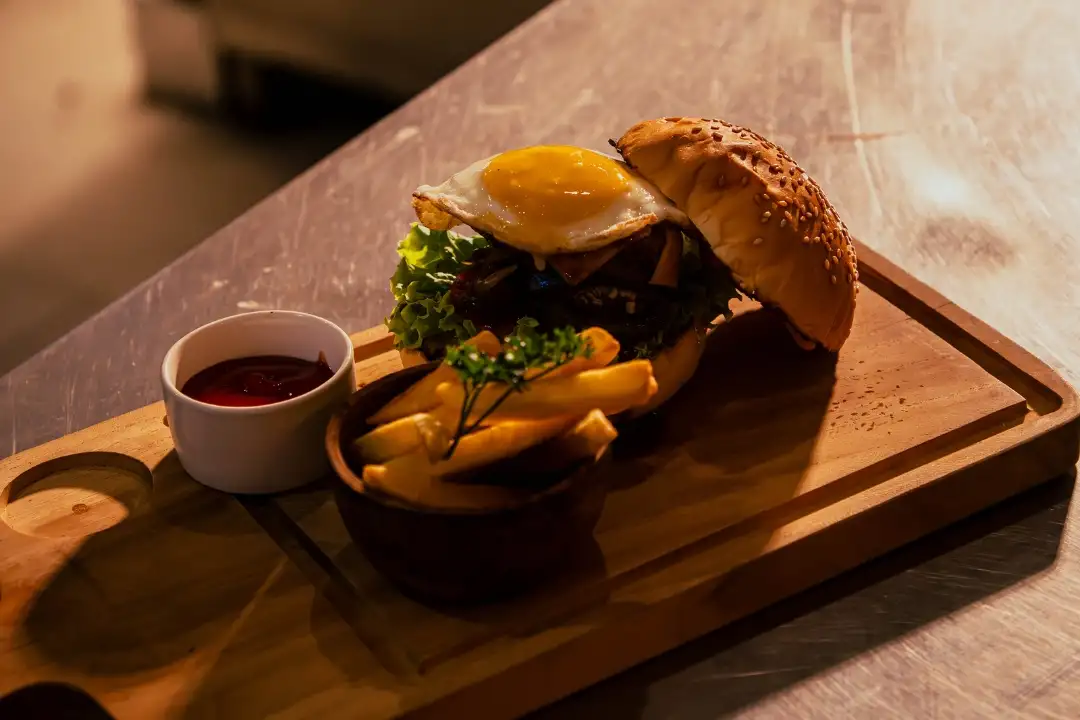
Burgers are particularly useful for this type of content because the ingredients naturally create layers. Vayana's Premium Burger Selection includes three different builds: Mac Korean Burger with braised pork belly, sweet sour Korean sauce, crispy onion, melted cheese, and fries; Hawaiian Crunchy Burger with crispy chicken, coleslaw, pickles, Red Hawaiian spicy sauce, and fries; and Burger Shack with beef patty, tomato, pickles, cheese, sunny-side-up egg, and fries.
The important visual point is not simply showing a burger as a whole. It is showing what is inside. A close-up can reveal melted cheese between the fillings. Another shot can focus on crispy onion or pickles. A side angle can show the height of the build. Then the final frame can return to the complete burger with its fries.
This works particularly well for restaurant Reels because each detail can become a short visual transition. The burger does not need a complicated story. The layers already provide one.
Grill Cuts Give the Camera Something to Follow
Grilled dishes offer another opportunity to focus on detail. Instead of always showing the complete plate, the camera can move toward the cut itself. This can reveal the surface, seasoning, sauce, and texture that make the dish visually distinctive.
Vayana's grill selection includes Pork Ribs in Medium, Large, and Jumbo portions, as well as Iga Rempah, Grilled Chicken Tandoor, Ayam Bakar Taliwang, Grill Tuna, and Grilled Beef Tenderloin. The brand direction specifically recommends focusing on details such as the cut, glaze, seasoning, sauce, and grill character.
That creates plenty of opportunities for close-up content. For Pork Ribs, the glazed surface and sauce can become the main visual detail. For Iga Rempah, the caramelized spices and accompanying chili sauce help communicate its local-inspired character. For Grilled Beef Tenderloin, the cut can be shown together with mushroom sauce and sautéed vegetables. Grill Tuna offers another visual direction through turmeric paste, rice, sayur urap, and sambal matah.
Each dish can therefore have its own visual language.
Final Garnish Can Be the Last Detail Before Serving
The final garnish is often the last visual element added before a dish is considered ready. It may be small, but it can help complete the composition. For food content, this is an opportunity to capture the transition between preparation and the finished plate. The camera does not need to show an entire kitchen process. A short shot of the final detail being added can be enough to create a sense of movement before cutting to the completed dish.
This works especially well when the garnish creates contrast against the main ingredients. The purpose is not to make the dish look artificially complicated. Vayana's visual direction is based on real food details rather than overly decorative presentation. The focus remains on texture, sauce, cut, glaze, cheese, crisp, and plating.
That keeps the content connected to the actual menu.
Beverage Glasses Add Another Visual Layer

The same principle can be applied to beverages, although beverage content should remain visually distinct from food-focused communication. Vayana has a broad beverage selection that includes juice, smoothies, milkshakes, mocktails, squash, iced tea, Bintang, soft drinks, and other drinks.
A beverage glass can add height and colour to a dining frame. A close-up can focus on the glass itself, while a wider shot can show how it sits alongside the food. Mocktails such as Lychee Delight, Green Booster, and Dragon Mango can provide a different visual direction from regular fruit juices such as Mango Juice or Watermelon Juice.
For a Reel, the beverage can appear as a separate visual moment rather than being mixed into every food shot. This keeps the content cleaner while still showing that Vayana's beverage selection is part of the overall dining experience.
Turning Preparation Details into a Reel
A simple food Reel does not need to show every stage of preparation. A few carefully chosen details can create enough movement. One possible sequence could begin with the main ingredient, move into a close-up of the sauce or texture, show the final plating detail, and then reveal the complete dish.
For a burger, the sequence could focus on the layered filling before showing the complete build. For Pork Ribs, the camera could move from the glazed surface to the full plate. For a beverage, the glass itself can become the main visual subject. The key is to make every shot reveal something different.
Vayana's approved Reels direction already encourages concepts such as Burger Build Close-Up, Grill Character in Every Cut, Sauce, Texture, and the Final Plate, Crisp Bite Burger Reels, Pork Ribs Glaze Detail, Beverage Selection in One Frame, and Mocktail Close-Up. These concepts work because they focus on actual food details rather than generic restaurant messaging.
The Final Plate Should Still Feel Natural
There is a difference between refined food presentation and making a dish look overly staged. Vayana's brand direction specifically calls for a premium-casual appearance. The restaurant should feel more refined than a generic restaurant, but it should not become overly formal or fine dining.
That principle should also apply to food content. The camera can move closer. The sauce can be shown. The burger can be opened to reveal the filling. The grill cut can be photographed from a stronger angle. The beverage can be positioned naturally within the frame. But the final result should still look like the food customers will actually receive.
That authenticity makes the visual more convincing.
Small Details Create Better Food Content
The most useful thing about looking closely before the plate goes out is that the details are already there. You do not need to invent a story around the food. You can focus on what actually makes the dish interesting.
For Vayana, that could mean:
-
A sauce detail that gives a grill dish its visual character.
-
A final garnish that completes the plate.
-
A burger build that reveals layered fillings, cheese, pickles, and texture.
-
A grill cut that shows seasoning, glaze, or the surface of the meat.
-
A beverage glass that adds colour and height to the visual composition.
Each detail can become its own shot, while the finished plate brings everything together.
Before the Plate Goes Out
The most interesting part of restaurant content is not always the final plate. Sometimes it is the few seconds just before it. That is when the sauce is positioned, the final garnish is added, the burger build is arranged, and the plate comes together. These small details give Vayana food content more visual depth and make restaurant Reels feel less like a static menu showcase.
The same approach works across Vayana's grill selection, Premium Burger Selection, and beverage category. The brand's strongest visual language is already built around real details such as texture, sauce, glaze, cut, crisp, melted cheese, and plating.
So before the plate goes out, look closer. The sauce may be worth a shot. The texture may deserve a close-up. The burger build may tell the story. The final garnish may be the detail that completes the frame. And sometimes, the beverage glass is what gives the whole composition the extra visual balance it needs.
Explore more of Vayana's menu and dining selections through vayanaubud.com. Before the first bite, there is always a detail worth looking at.
Latest Article


Your 100K Grill Break
Enjoy smoky pork ribs paired with a cold Bintang for only 100K. A simple, satisfying combo made for an easy lunch, casual dinner, or relaxed grill break at Vayana Ubud.
Reserve & Enjoy ×